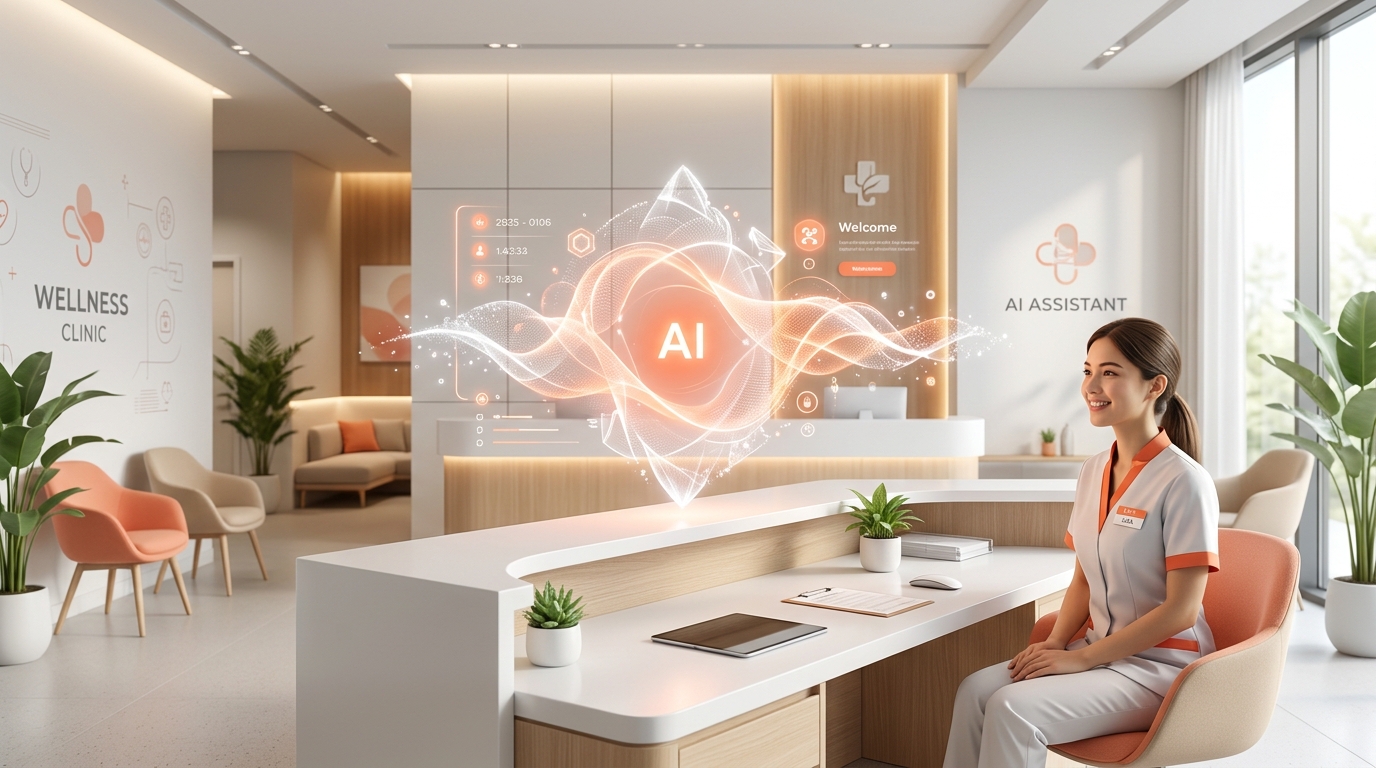
The Healthcare Staffing Crisis
In 2026, medical and dental clinics are facing a perfect storm: rising patient volumes combined with severe front-desk staffing shortages. The traditional model of having one or two receptionists handle all incoming calls, scheduling, billing inquiries, and in-person patient greetings is no longer sustainable.
When the front desk is overwhelmed, patients are put on hold for extended periods, calls are sent to voicemail, and the in-clinic experience suffers. This leads to frustrated patients and burned-out staff.
Enter the AI Receptionist
To solve this crisis, forward-thinking clinics are deploying AI Receptionists. These are not the frustrating, robotic "press 1 for scheduling" phone trees of the past. Modern AI receptionists use advanced natural language processing (NLP) to hold fluid, human-like conversations.
They can:
- Answer calls instantly, 24/7, without ever putting a patient on hold.
- Understand complex scheduling rules and book appointments directly into the clinic's calendar.
- Answer common questions about insurance, clinic hours, and preparation for procedures.
- Triage emergencies and route urgent calls to the on-call physician.
Real-World Benefits
Clinics that have adopted AI receptionists report significant improvements:
- Zero Missed Calls: Every patient inquiry is answered, capturing potential lost revenue.
- Reduced Staff Burnout: Human receptionists are freed from the constant ringing of the phone, allowing them to focus on the patients physically present in the clinic.
- Improved Patient Satisfaction: Patients appreciate the ability to book appointments or get answers immediately, even outside of normal business hours.
The AI receptionist is not replacing the human touch in healthcare; it's protecting it by handling the routine tasks so humans can focus on what they do best: providing empathetic care.